

티스토리 뷰
[의학칼럼] 노인 고관절 골절과 조기 수술의 중요성 : 웰튼병원
진료실에서 마주하는 가장 안타까운 상황은 "화장실에서 살짝 미끄러지셨는데 일어나지 못하신다"는 보호자의 목소리를 들을 때입니다. 청장년층에게는 단순한 타박상일 일이 노년층에게는 생사를 가르는 중차대한 사건이 되기 때문입니다. 오늘은 노인 고관절 골절이 왜 위험하며, 왜 '지체 없는 수술'이 정답인지 의학적 관점에서 짚어보겠습니다.
1. 왜 노년의 뼈는 작은 충격에도 무너질까?
어르신들의 낙상이 골절로 이어지는 이유는 크게 세 가지입니다.
- 골다공증: 폐경(여성) 및 노화로 인해 뼈 내부가 수수깡처럼 푸석해진 상태로 작은 충격에도 뼈가 다치는 이유입니다.
- 근감소증: 노년에 접어 들면서 다리 근육이 줄어들면 균형 감각과 반사적으로 몸을 보호하는 순발력이 현저히 떨어집니다.
- 약물 영향: 혈압약, 수면제 등으로 인한 일시적 어지럼증이 낙상사고의 주요 원인이 되기도 합니다.
2. 고관절 골절의 종류와 예후
골절 부위에 따라 예후나 치료 방향이 달라집니다.
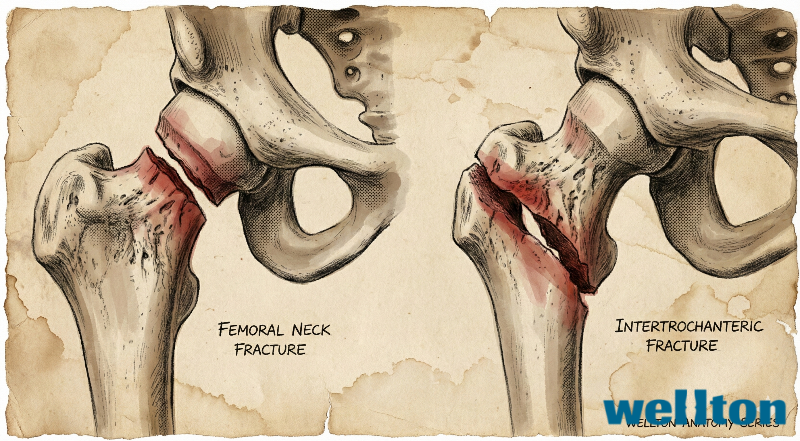
- 대퇴경부 골절: 대퇴골의 머리 부분과 몸통을 잇는 목부분에 해당하는 부위로 수술 후에도 혈류 차단에 의한 '무혈성 괴사'가 발생할 위험이 있습니다.
- 대퇴전자간부 골절: 좀 더 아래쪽의 넓은 부위가 부러진 경우이며, 골다공증이 심할 경우 뼈가 여러 조각으로 부서지는 분쇄 골절 양상을 보이기도 합니다.
3. 골절보다 무서운 '침대 생활'의 합병증
고관절 골절 자체도 문제가 되지만 골절 후 '움직이지 못하는 상태'가 더욱 치명적입니다.
- 폐렴 및 욕창: 장기간 부동 상태로 있는 경우 폐 기능 저하와 피부 괴사를 유발합니다.
- 혈전증: 혈류 정체로 혈관이 막히면 심뇌혈관 질환으로 이어질 수 있습니다.
- 생존율 저하: 보행 능력을 상실할 경우 내과적 합병증으로 인해 고령 환자의 장기 생존율은 급격히 감소합니다.
4. 수술, 고민하는 시간이 더 위험
많은 보호자가 "고령인데 수술을 견딜 수 있을까"를 걱정합니다. 하지만 수술을 고민하는 동안 환자는 생전 처음 겪는 극심한 통증에 시달려야 합니다. 이 통증은 기력을 쇠하게 하고 식사와 수면을 방해하여 환자의 상태를 더 악화시킵니다. 수술은 뼈를 맞추는 치료임과 동시에, 통증을 멈추는 가장 확실한 방법입니다.
5. 치료의 선택: 왜 인공관절인가?
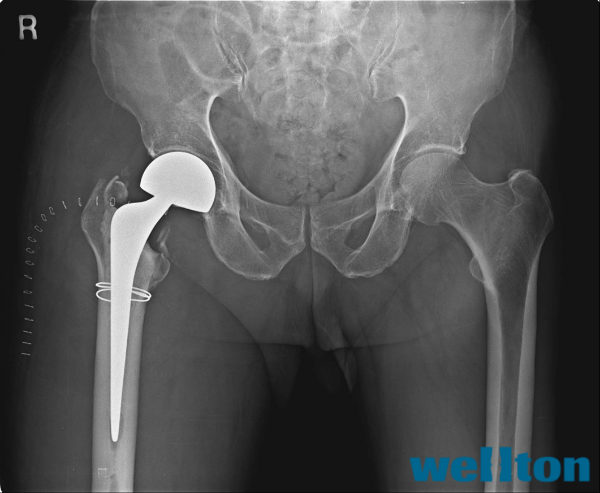
핀으로 고정하는 '내고정술'은 본래의 뼈를 살린다는 장점이 있으나, 고령 환자에겐 뼈가 붙을 때까지 수개월간 침대에서 지내야 한다는 치명적인 단점이 있습니다.
반면, 인공관절치환술(시멘트형)은 다음과 같은 이점이 있습니다.
- 즉각적인 안정성: 골 시멘트(바이오 접착제)를 이용한 단단한 고정으로 뼈가 붙는 기간 없이 즉시 체중 부하가 가능합니다.
- 근육 보존 기술: 외회전근을 자르지 않고 보존하여 탈구 위험을 최소화합니다.
- 조기 보행: 뼈가 붙길 기다릴 필요 없이 수술 직후 재활을 시작해 내과적 합병증을 원천 차단합니다.

6. 노인 고관절 골절, 기억할 점
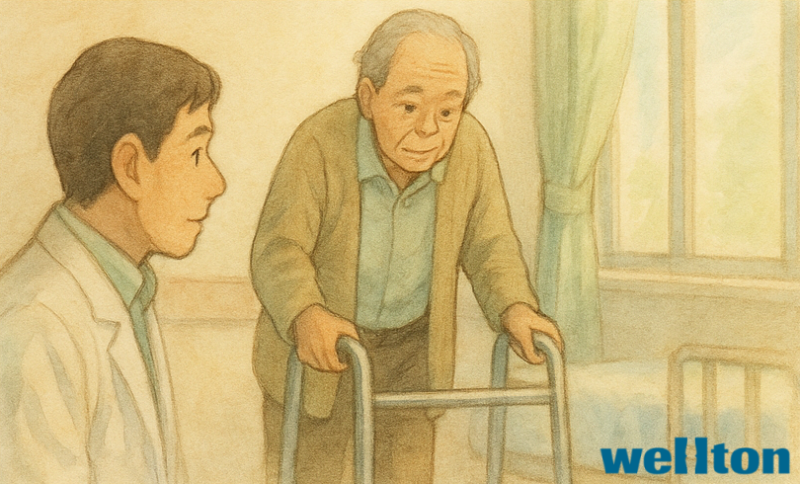
노인 고관절 골절 치료에서 가장 중요한 점은 '빨리 걷는 것'입니다.
- 빠르게 일어나서
- 가능한 한 빨리 걷고
- 재활을 시작해야
노년기 골절은 단순한 사고가 아니라, 향후 삶의 질을 크게 좌우하는 의료 사건입니다. 특히 고관절 골절은 “치료 시기”와 “수술 후 조기 보행”이 예후를 결정합니다.
- 넘어지지 않도록 예방하고
- 골절이 의심되면 한시라도 빨리 진료를 받고
- 수술 후에는 적극적으로 재활하는 것
이 세 가지가 어르신의 건강과 안전을 지키는 핵심입니다.
One of the most heartbreaking situations I encounter in the consulting room is hearing a guardian say, "They slipped slightly in the bathroom, but now they can't get up." What might be a simple bruise for a younger adult can become a life-altering event for an elderly person. Today, we will examine why hip fractures in the elderly are dangerous and why "immediate surgery" is the answer from a medical perspective.
1. Why Do Elderly Bones Break From Minor Impacts?
There are three main reasons why a fall leads to a fracture in the elderly:
- Osteoporosis: Due to menopause (in women) and aging, the interior of the bone becomes brittle and porous, causing it to break even from slight impacts.
- Sarcopenia (Muscle Loss): As leg muscles diminish with age, balance and the reflexive agility to protect the body drop significantly.
- Medication Effects: Temporary dizziness caused by blood pressure medications or sleeping pills is a major cause of fall accidents.
2. Types of Hip Fractures and Prognosis
The prognosis and treatment direction vary depending on the fracture site:
- Femoral Neck Fracture: This occurs in the "neck" connecting the head of the femur to the shaft. There is a risk of "avascular necrosis" (bone death due to lack of blood supply) even after surgery because blood flow can be blocked.
- Intertrochanteric Fracture: This occurs in the wider area below the neck. If osteoporosis is severe, it often manifests as a comminuted fracture, where the bone shatters into multiple pieces.
3. Complications of Bedridden Life: More Dangerous Than the Fracture Itself
While the hip fracture itself is problematic, the state of "immobility" following the fracture is far more fatal.
- Pneumonia and Bedsores: Prolonged immobility leads to a decline in lung function and skin necrosis.
- Thrombosis: Stagnant blood flow can block blood vessels, leading to cardiovascular diseases.
- Reduced Survival Rate: If walking ability is lost, the long-term survival rate of elderly patients drops drastically due to internal medical complications.
4. The Risk of Hesitation: Why Delaying Surgery is Dangerous
Many guardians worry, "Can they withstand surgery at such an advanced age?" However, while you hesitate, the patient suffers from excruciating pain they have never experienced before. This pain drains their energy and disrupts eating and sleeping, further deteriorating their condition. Surgery is not only a treatment to align the bones but also the most effective way to stop the pain.
5. Choosing the Treatment: Why Artificial Joint Replacement?
Internal Fixation (pinning) has the advantage of preserving the natural bone, but it has a fatal downside for elderly patients: they must remain in bed for months until the bone heals.
In contrast, Artificial Joint Replacement (Cemented Type) offers the following benefits:
- Immediate Stability: The use of bone cement (bio-adhesive) provides firm fixation, allowing for immediate weight-bearing without waiting for the bone to knit.
- Muscle Preservation Technique: By preserving the external rotator muscles rather than cutting them, the risk of dislocation is minimized.
- Early Ambulation: Rehabilitation can start immediately after surgery without waiting for the bone to heal, effectively blocking internal medical complications.
6. Key Takeaways on Elderly Hip Fractures
The most important factor in treating hip fractures in the elderly is "walking quickly."
- Get up fast,
- Walk as soon as possible,
- And start rehabilitation.
A fracture in old age is not just a simple accident; it is a medical event that dictates the future quality of life. For hip fractures specifically, "timing of treatment" and "early ambulation after surgery" determine the prognosis.
Preventing falls, seeking immediate medical attention if a fracture is suspected, and actively rehabilitating after surgery—these three steps are the core of protecting the health and safety of the elderly.
'의료' 카테고리의 다른 글
| [심층분석] 고관절 인공관절 수술의 성패, 엉덩이 속 '4개의 힘줄'이 결정 (0) | 2026.02.10 |
|---|---|
| [의학칼럼] 노인 고관절 골절 수술, 미국 정형외과 임상 지침 (0) | 2026.01.28 |
| 고관절 인공관절수술, 기구가 중요한 이유...알고 계신가요? (0) | 2020.02.28 |
| 고관절인공관절, 인공관절수술 기구 (0) | 2019.06.27 |
| 힘줄 끊지 않는 고관절수술, 인공관절 (0) | 2019.05.31 |
- Total
- Today
- Yesterday
- 웰튼병원
- 외회전근보존
- 디지털 내비게이션
- 힙 내비게이션
- 탈구
- 고관절골절 #노인골절 #인공관절수술 #고관절수술 #대퇴골절 #고관절인공관절
- 인공관절 내비게이션
- 고관절 인공관절수술
- 고관절수술 #인공관절수술 #고관절인공관절 #고관절골절 #대퇴골두무혈성괴사 #고관절통증 #엑시터 #인공관절기구 #시멘트형
- 고관절수술 #인공관절수술 #고관절인공관절 #고관절골절 #대퇴골두무혈성괴사 #고관절통증
- 고관절골절수술 #노인고관절수술 #인공관절치환술 #고관절인공관절 #엉덩이뼈골절 #대퇴골절수술 #인공관절수술잘하는곳#웰튼병원
- 고관절인공관절수술
- 로봇 수술
- 근육보존
- 고관절인공관절
- 고관절 인공관절
| 일 | 월 | 화 | 수 | 목 | 금 | 토 |
|---|---|---|---|---|---|---|
| 1 | 2 | 3 | 4 | |||
| 5 | 6 | 7 | 8 | 9 | 10 | 11 |
| 12 | 13 | 14 | 15 | 16 | 17 | 18 |
| 19 | 20 | 21 | 22 | 23 | 24 | 25 |
| 26 | 27 | 28 | 29 | 30 |