

티스토리 뷰
[의학칼럼] 노인 고관절 골절 수술, 미국 정형외과 임상 지침 : 웰튼병원
겨울철 빙판길이나 실내 화장실에서의 낙상은 어르신들에게 치명적인 '고관절(엉덩이 관절) 골절'을 유발하곤 합니다. 보호자들은 수술 여부를 두고 고민하지만, 정작 수술의 결과를 좌우하는 더 중요한 디테일은 놓치는 경우가 많습니다. 바로 "인공관절을 뼈에 어떻게 고정하는가"의 문제입니다.
오늘은 세계적인 정형외과 가이드라인을 바탕으로, 왜 노인 환자에게는 '시멘트형 인공관절 수술'이 강력하게 권장되는지 그 의학적 배경을 짚어보겠습니다.
1. 세계적 표준의 변화: "강력하게 권고한다"
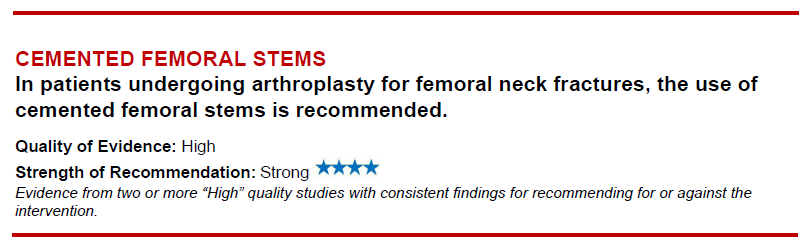
전 세계 정형외과 치료의 표준을 제시하는 '미국 정형외과학회(AAOS)'는 지난 2021년, '노인 고관절 골절 관리 가이드라인'을 개정하며 중요한 메시지를 던졌습니다.
"고관절 골절로 수술받는 노인 환자에게는 '시멘트형(Cemented)' 인공관절 기구 사용을 '강력하게(Strong)' 권고한다."
이는 2014년의 '중등도(Moderate)' 권고에서 한 단계 격상된 것으로, 지난 10년간 축적된 방대한 임상 데이터들이 "시멘트형 수술이 노인 환자에게 월등히 유리하다"는 사실을 명확히 증명했음을 시사합니다.
2. 시멘트형 vs 비시멘트형, 무엇이 다른가?
인공관절 수술은 손상된 대퇴골(허벅지 뼈) 내부에 '스템(Stem)'이라 불리는 금속 기둥을 삽입하는 과정입니다. 이때 고정 방식에 따라 두 가지로 나뉩니다.
- 시멘트형 (Cemented): 뼈와 금속 기구 사이의 공간을 의료용 골 시멘트로 채워 단단히 고정하는 방식입니다. 뼈가 약한 어르신들에게 적합합니다.
- 비시멘트형 (Non-cemented): 인공관절을 뼈에 끼워 넣은 후, 시간이 지나면서 환자의 뼈가 인공관절 표면으로 자라 들어와(골유착) 고정되게 하는 방식입니다. 뼈가 튼튼한 젊은 층에 주로 사용됩니다.
3. 왜 노인에게는 '시멘트형'이 정답인가?
AAOS가 가이드라인 등급을 격상시키면서까지 시멘트형을 강조하는 이유는 크게 세 가지 임상적 이점 때문입니다.

첫째, 추가 골절 위험을 차단합니다.
대다수 고령 환자는 골다공증으로 인해 뼈가 '수수깡'처럼 약해져 있습니다. 비시멘트형 방식은 기구를 뼈에 꽉 끼워 맞추는 과정(Press-fit)이 필요한데, 이 과정에서 약한 뼈에 금이 가거나 깨질 위험이 존재합니다.
반면 시멘트형은 빈 공간을 골 시멘트가 부드럽게 채우며 굳기 때문에 뼈에 과도한 스트레스를 주지 않아 뼈의 균열을 예방합니다.
둘째, 조기 보행이 가능합니다.
이것이 가장 중요한 이유입니다. 시멘트는 주입 후 수분 내에 굳으며 인공관절을 뼈와 일체화시킵니다.
수술 직후부터 관절이 체중을 온전히 지탱할 수 있다는 뜻입니다. 덕분에 환자는 수술 직후에도 체중을 싣고 일어나 걷는 재활이 가능합니다. 침상 생활을 최소화하여 폐렴, 욕창 등의 합병증을 막는 핵심 열쇠가 됩니다.
셋째, 재수술 확률이 낮습니다.
장기 추적 관찰 결과, 시멘트형을 사용한 노인 환자군에서 인공관절이 흔들리거나 이완되어 재수술을 받는 비율이 낮은 것으로 나타났습니다.
[요약] AAOS 2021 가이드라인 핵심
|
구 분
|
내 용
|
|
최신 지침
|
AAOS(미국 정형외과학회) 2021 임상 진료 지침
|
|
권고 대상
|
대퇴골 경부 골절 수술을 받는 노인 환자
|
|
권고 방식
|
시멘트형 대퇴 주대 (Cemented Stem) 사용
|
|
권고 등급
|
Strong (강력 권고) ※가장 높은 신뢰 수준
|
|
주요 장점
|
1. 수술 주변부 뼈 골절 예방
2. 통증 감소 및 빠른 보행 가능
3. 재수술률 감소
|
4. 마치며: 현명한 보호자가 확인해야 할 것
과거에는 수술 시간 단축 등의 이유로 비시멘트형이 선호되기도 했으나, 현재의 의학적 근거는 명확히 '시멘트형'을 가리키고 있습니다.
고관절 골절 수술은 한 번 할 때 안전하고 확실하게 끝내야 합니다. 고령의 부모님이 수술을 앞두고 계신다면, "골다공증이 있는 부모님을 위해 시멘트형 고정 방식을 사용하는지" 확인해 보는 지혜도 필요합니다. 환자의 뼈 상태에 맞는 최적의 수술법 선택이 빠른 회복과 남은 여생의 삶의 질을 결정합니다.


[Dr. Tip] 용어 해설
- 대퇴 주대(Femoral Stem): 인공관절의 '뿌리' 역할을 하는 핵심 부품입니다. 허벅지 뼈(대퇴골) 내부에 삽입되어 체중을 지탱하는 금속 기둥을 말합니다.
- 골 시멘트(Bone Cement): 단순한 접착제가 아닌 '충전재(Filler)' 역할을 합니다. 뼈 내부의 불규칙한 표면과 매끈한 인공관절 사이를 빈틈없이 메워, 체중 부하를 고르게 분산시키는 역할을 합니다.
Falls on icy winter roads or in indoor bathrooms often lead to fatal "hip fractures" in the elderly. While guardians often agonize over whether to proceed with surgery, they frequently miss a more critical detail that determines the surgical outcome: "How the artificial joint is fixed to the bone."
Today, based on global orthopedic guidelines, we will examine the medical background of why "Cemented Total Hip Arthroplasty" is strongly recommended for elderly patients.
1. A Shift in Global Standards: "Strongly Recommended"
In 2021, the American Academy of Orthopaedic Surgeons (AAOS), which sets the standard for orthopedic treatment worldwide, updated its "Management of Hip Fractures in the Elderly Guidelines" with a significant message:
"Strong evidence supports the use of cemented femoral stems for patients undergoing arthroplasty for hip fractures."
This is an upgrade from the "Moderate" recommendation in 2014 to a "Strong" recommendation. This implies that vast clinical data accumulated over the past decade has clearly proven that "cemented surgery is significantly more beneficial for elderly patients."
2. Cemented vs. Non-cemented: What is the Difference?
Artificial joint surgery involves inserting a metal post called a "stem" into the damaged femur (thigh bone). This process is divided into two types based on the fixation method:
- Cemented: The space between the bone and the metal implant is filled with medical bone cement to fix it firmly. This is suitable for elderly patients with weak bones.
- Non-cemented (Cementless): The artificial joint is fitted into the bone, and over time, the patient's natural bone grows into the surface of the implant (osseointegration) to secure it. This is primarily used for younger patients with strong bones.
3. Why is "Cemented" the Answer for the Elderly?
There are three main clinical benefits explaining why the AAOS upgraded its guideline rating to emphasize the cemented method.
First, it blocks the risk of additional fractures. Most elderly patients have bones that are porous and weak due to osteoporosis. The non-cemented method requires a "press-fit" process where the device is tightly wedged into the bone. In this process, there is a risk that weak bones may crack or fracture. In contrast, the cemented method involves bone cement gently filling the empty spaces and hardening, which does not place excessive stress on the bone, thereby preventing intraoperative cracks.
Second, it enables early ambulation. This is the most critical reason. The cement hardens within minutes of injection, integrating the artificial joint with the bone. This means the joint can fully support body weight immediately after surgery. Consequently, patients can stand up and start walking rehabilitation right away. This is the key to minimizing bedridden time and preventing complications such as pneumonia and bedsores.
Third, the rate of revision surgery is lower. Long-term follow-up results show that the rate of revision surgery due to implant loosening or instability is lower in the elderly patient group where the cemented method was used.
While non-cemented methods were sometimes preferred in the past for reasons such as shorter surgical time, current medical evidence clearly points to "Cemented Fixation" as the standard for the elderly.
'의료' 카테고리의 다른 글
| [의학칼럼] 90대 초고령 환자의 고관절 골절, 다시 걷게 만든 '생존의 비결' (0) | 2026.02.23 |
|---|---|
| [심층분석] 고관절 인공관절 수술의 성패, 엉덩이 속 '4개의 힘줄'이 결정 (0) | 2026.02.10 |
| [의학칼럼] 노인 고관절 골절과 조기 수술의 중요성 (1) | 2026.01.27 |
| 고관절 인공관절수술, 기구가 중요한 이유...알고 계신가요? (0) | 2020.02.28 |
| 고관절인공관절, 인공관절수술 기구 (0) | 2019.06.27 |
- Total
- Today
- Yesterday
- 고관절골절 #노인골절 #인공관절수술 #고관절수술 #대퇴골절 #고관절인공관절
- 로봇 수술
- 고관절수술 #인공관절수술 #고관절인공관절 #고관절골절 #대퇴골두무혈성괴사 #고관절통증
- 외회전근보존
- 탈구
- 고관절골절수술 #노인고관절수술 #인공관절치환술 #고관절인공관절 #엉덩이뼈골절 #대퇴골절수술 #인공관절수술잘하는곳#웰튼병원
- 고관절인공관절
- 인공관절 내비게이션
- 웰튼병원
- 고관절수술 #인공관절수술 #고관절인공관절 #고관절골절 #대퇴골두무혈성괴사 #고관절통증 #엑시터 #인공관절기구 #시멘트형
- 고관절 인공관절
- 고관절 인공관절수술
- 고관절인공관절수술
- 힙 내비게이션
- 디지털 내비게이션
- 근육보존
| 일 | 월 | 화 | 수 | 목 | 금 | 토 |
|---|---|---|---|---|---|---|
| 1 | 2 | 3 | 4 | |||
| 5 | 6 | 7 | 8 | 9 | 10 | 11 |
| 12 | 13 | 14 | 15 | 16 | 17 | 18 |
| 19 | 20 | 21 | 22 | 23 | 24 | 25 |
| 26 | 27 | 28 | 29 | 30 |