
티스토리 뷰
[심층분석] 고관절 인공관절 수술의 성패, 엉덩이 속 '4개의 힘줄'이 결정 : 웰튼병원
의학 기술이 발전하면서 인공관절의 수명은 늘어났지만, 수술 후 환자가 느끼는 '내 다리 같은 자연스러움'과 '안정성'은 결국 수술 기법에서 판가름 납니다.
오늘은 웰튼병원이 십수 년간 고집해 온 '외회전근 보존 최소절개 수술'이 왜 고관절 수술의 표준이 되어야 하는지, 그 생체역학적 원리를 깊이 있게 분석해 보겠습니다.

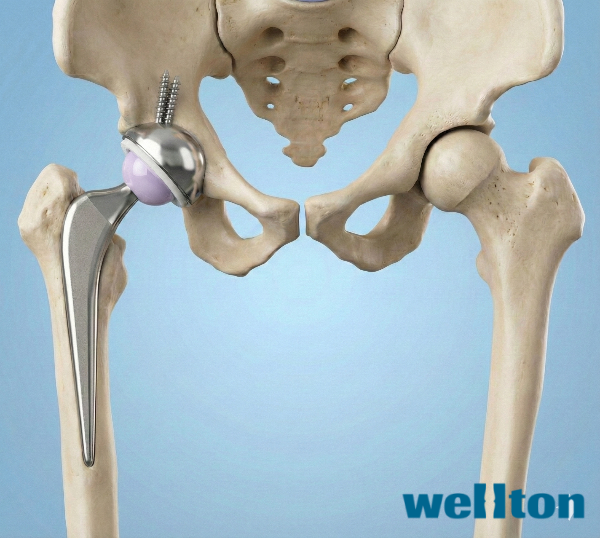
1. 단외회전근
우리 엉덩이 깊은 곳에는 고관절의 안정성을 책임지는 '단외회전근(Short External Rotators)'이라는 근육군이 존재합니다. (이상근, 상쌍자근, 내폐쇄근 등)이 근육들의 역할을 쉽게 이해하기 위해 '항구에 정박한 거대한 배'를 상상해 보십시오.
"거대한 배(대퇴골)가 파도(움직임)에 휩쓸려 항구(골반)를 이탈하지 않도록
꽉 잡아매고 있는 '4개의 굵은 밧줄', 그것이 바로 외회전근입니다."
이 근육들은 단순히 다리를 돌리는 기능을 넘어, 보행 시 대퇴골두를 골반 안쪽으로 단단히 당겨주어 관절이 빠지지 않게 하는 안정자의 역할을 수행합니다.


2. '절개' vs '보존'
기존의 일반적인 수술(후방 접근법)은 인공관절을 넣을 공간을 확보하기 위해 이 '밧줄(외회전근)'을 끊어야 했습니다. 수술 후 다시 봉합한다고 해도, 한 번 끊어진 밧줄은 예전만큼 팽팽한 장력(Tension)을 갖기 어렵습니다. 이것이 수술 후 탈구 위험이 남는 주된 이유입니다.
반면, 웰튼병원의 '외회전근 보존술'은 접근 방식부터 다릅니다.
- 핵심 기술: 근육을 끊지 않고, 결을 따라 '젖혀서(Retract)' 공간을 확보합니다.
- 결과: 뼈에 붙어있는 힘줄의 뿌리가 원형 그대로 보존되므로, 수술 직후에도 근육의 장력과 기능이 100% 유지됩니다.
3. 4가지의 임상적 이점
① 탈구(Dislocation) 예방: 보존된 외회전근은 인공관절 뒤쪽을 단단하게 받쳐주는 '자연 방어막'이 됩니다. 쪼그려 앉거나 다리를 비트는 등 탈구가 발생하기 쉬운 자세에서도, 근육이 대퇴골두를 밀어 넣어 탈구를 예방합니다.
② 고유 감각: 근육과 힘줄은 단순한 고무줄이 아닙니다. 관절의 위치와 움직임을 뇌로 전달하는 수많은 센서(고유 수용성 감각)가 밀집해 있습니다. 힘줄을 살린다는 것은 이 '센서'를 살린다는 뜻입니다. 덕분에 환자는 수술 후에도 '내 다리 같은 자연스러운 균형 감각'을 빠르게 되찾을 수 있습니다.
③ 조기 보행: 근육을 끊었다면 아무는 데 최소 6주의 시간이 필요합니다. 하지만 근육을 보존하면 기다릴 필요가 없습니다. 튼튼한 근육이 관절을 바로 지탱해주므로, '수술 당일 4시간 후 보행'이 가능합니다. 이는 합병증을 예방하는 가장 강력한 재활 치료입니다.
④ '코어(Core)' 기능 유지: 외회전근은 고관절의 '속근육'입니다. 큰 엉덩이 근육이 힘을 쓸 때, 관절의 중심축이 흔들리지 않도록 미세하게 조정해주는 '코어 근육'의 역할을 합니다. 이 기능을 살려야만 울퉁불퉁한 길에서도 비틀거리지 않고 중심을 잘 잡을 수 있습니다.
마치며...
"적게 손상 주는 것이, 가장 확실한 치료입니다."
과거에는 수술 편의성을 위해 근육을 자르는 것이 당연했습니다. 하지만 의학은 발전했고, 이제는 '보존'이 곧 '회복'임을 증명하고 있습니다.
While advancements in medical technology have extended the lifespan of artificial joints, the "natural feel" and "stability" a patient experiences after surgery are ultimately determined by the surgical technique.
Today, we will analyze the biomechanical principles behind "Short External Rotator Preservation Minimally Invasive Surgery," a technique Welton Hospital has strictly adhered to for over a decade, and explain why it should be the standard for hip surgery.
1. The Short External Rotators: The Anchors of the Hip
Deep within our hips lies a group of muscles called the "Short External Rotators" (Piriformis, Superior Gemellus, Obturator Internus, etc.), which are responsible for hip stability. To easily understand their role, imagine a "massive ship anchored in a harbor."
"Just as four thick ropes hold a massive ship (the femur) tight so it doesn't get swept away by waves (movement) and drift out of the harbor (the pelvis), these are the External Rotator Muscles."
These muscles do more than just rotate the leg; they act as stabilizers that firmly pull the femoral head into the pelvis during walking to prevent the joint from slipping out.
2. "Cutting" vs. "Preserving"
In conventional surgery (Standard Posterior Approach), these "ropes" (external rotators) must be cut to create space for inserting the artificial joint. Even if they are sutured back together, a cut rope rarely regains its original tension. This is the primary reason why a risk of dislocation remains after surgery.
In contrast, Welton Hospital’s "External Rotator Preservation" technique takes a different approach:
- Key Technology: Instead of cutting the muscles, we "retract" them along their grain to create space.
- The Result: Since the tendon roots attached to the bone remain intact, the muscle's tension and function are maintained at 100% immediately after surgery.
3. Four Clinical Benefits of Preservation
① Prevention of Dislocation The preserved external rotators act as a "natural barrier" supporting the back of the artificial joint. Even in postures prone to dislocation, such as squatting or twisting the leg, these muscles push the femoral head inward, preventing it from popping out.
② Proprioception (Natural Sensation) Muscles and tendons are not simple rubber bands; they are packed with sensors (proprioceptors) that transmit the joint's position and movement to the brain. Preserving the tendons means saving these "sensors." This allows patients to quickly regain a "natural sense of balance," feeling as if the artificial joint is their own leg.
③ Early Ambulation If muscles are cut, they need at least 6 weeks to heal. However, with preservation, there is no need to wait. Because the intact muscles support the joint immediately, "walking within 4 hours of surgery" is possible. This rapid mobilization is the most powerful rehabilitation method for preventing complications.
④ Maintaining 'Core' Function The external rotators are the "deep muscles" of the hip. They act as "core muscles" that fine-tune the joint's central axis to prevent wobbling when the large gluteal muscles exert force. Preserving this function is essential for maintaining balance without stumbling, even on uneven ground.
Conclusion
"Minimizing damage is the most certain treatment."
In the past, cutting muscles was taken for granted for surgical convenience. However, medicine has advanced, and we are now proving that "Preservation" is synonymous with "Recovery."
'의료' 카테고리의 다른 글
| [고관절] "어차피 다 똑같은 인공관절?" 55년 역사의 '엑시터 스템' (2) | 2026.02.27 |
|---|---|
| [의학칼럼] 90대 초고령 환자의 고관절 골절, 다시 걷게 만든 '생존의 비결' (0) | 2026.02.23 |
| [의학칼럼] 노인 고관절 골절 수술, 미국 정형외과 임상 지침 (0) | 2026.01.28 |
| [의학칼럼] 노인 고관절 골절과 조기 수술의 중요성 (1) | 2026.01.27 |
| 고관절 인공관절수술, 기구가 중요한 이유...알고 계신가요? (0) | 2020.02.28 |
- Total
- Today
- Yesterday
- 고관절 인공관절
- 고관절인공관절수술
- 고관절수술 #인공관절수술 #고관절인공관절 #고관절골절 #대퇴골두무혈성괴사 #고관절통증 #엑시터 #인공관절기구 #시멘트형
- 고관절골절수술 #노인고관절수술 #인공관절치환술 #고관절인공관절 #엉덩이뼈골절 #대퇴골절수술 #인공관절수술잘하는곳#웰튼병원
- 고관절인공관절
- 디지털 내비게이션
- 탈구
- 로봇 수술
- 고관절골절 #노인골절 #인공관절수술 #고관절수술 #대퇴골절 #고관절인공관절
- 외회전근보존
- 인공관절 내비게이션
- 근육보존
- 고관절 인공관절수술
- 힙 내비게이션
- 고관절수술 #인공관절수술 #고관절인공관절 #고관절골절 #대퇴골두무혈성괴사 #고관절통증
- 웰튼병원
| 일 | 월 | 화 | 수 | 목 | 금 | 토 |
|---|---|---|---|---|---|---|
| 1 | 2 | 3 | 4 | |||
| 5 | 6 | 7 | 8 | 9 | 10 | 11 |
| 12 | 13 | 14 | 15 | 16 | 17 | 18 |
| 19 | 20 | 21 | 22 | 23 | 24 | 25 |
| 26 | 27 | 28 | 29 | 30 |